For centuries, the growth of cities has been a story of organic, often chaotic, human endeavor. From the industrial revolution’s soot-choked metropolises to the car-centric suburban sprawl of the 20th century, urban development has typically reacted to problems rather than proactively designing solutions. This paradigm is now shifting in a profound and irreversible way. We are standing at the precipice of a new urban epoch, defined not by brick and mortar, but by data and algorithms. The concept of a “smart city” has evolved from a buzzword into a tangible global goal, and at the forefront of this revolution is the ambitious vision to create the world’s first truly AI-powered city.
This is not merely about installing smart traffic lights or digital kiosks. It is about constructing an urban environment where artificial intelligence is the central nervous system, seamlessly integrated into the very fabric of daily life. This city represents a grand experiment, a living laboratory where the physical and digital worlds converge to create an ecosystem that is fundamentally more efficient, sustainable, and responsive to its inhabitants’ needs. This article delves deep into the blueprint for this groundbreaking urban center, exploring its core pillars, the profound benefits it promises, the significant challenges it must overcome, and the ethical considerations that will define its ultimate success.
A. Deconstructing the Blueprint: The Core Pillars of an AI-Powered Metropolis
An AI-powered city is not defined by a single technology but by a synergistic network of interconnected systems. Its foundation rests on several critical pillars that work in concert to create an intelligent, adaptive urban organism.
A. The Pervasive Digital Nervous System: IoT and Sensors
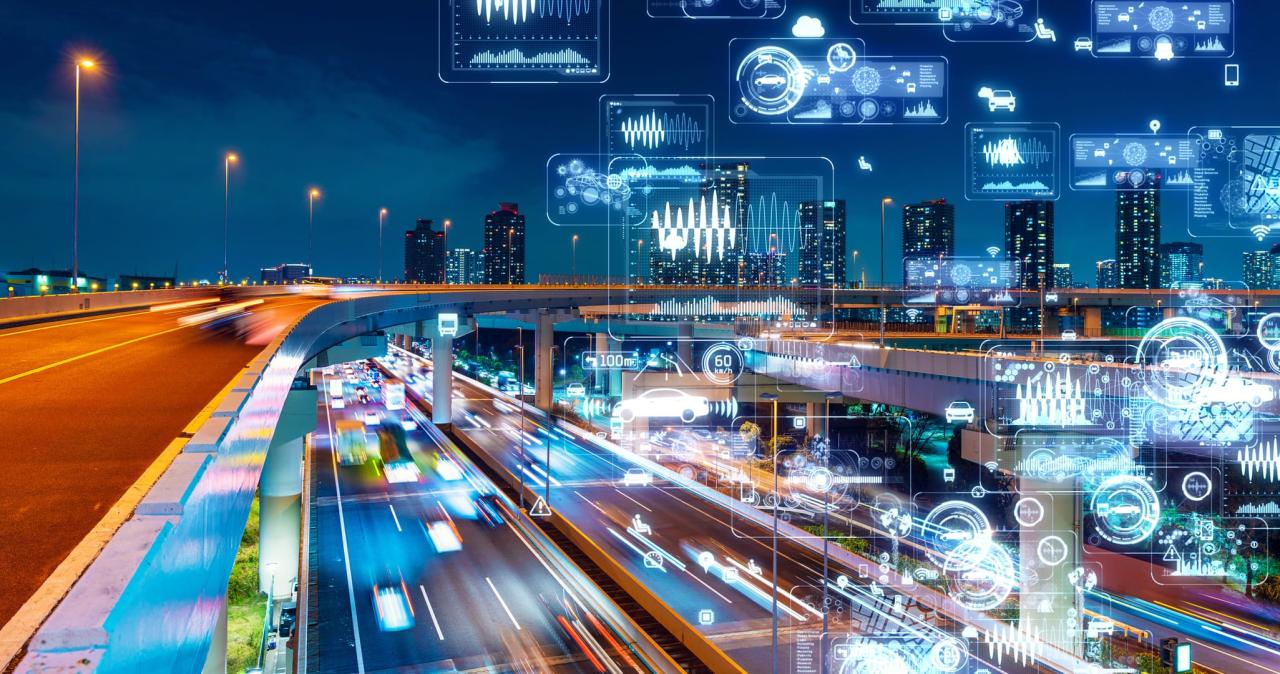
The first and most fundamental layer is a pervasive network of physical infrastructure. Imagine millions of sensors, cameras, and data-collection devices embedded throughout the city in lampposts, under roads, inside buildings, and across public spaces. This Internet of Things (IoT) network acts as the city’s sensory organs, constantly gathering real-time data on everything from traffic flow and energy consumption to air quality, noise levels, and waste bin capacity. This massive, continuous stream of data is the essential fuel that powers the city’s AI brain.
B. The Urban Brain: Centralized AI and Machine Learning Platforms
The raw data from the IoT network is meaningless without interpretation. This is where the city’s “brain” comes in: a centralized, yet secure, AI and machine learning platform. This platform ingests the colossal datasets, processes them, and identifies patterns, correlations, and anomalies that would be impossible for human analysts to discern. It doesn’t just report on what is happening; it predicts what will happen. Using predictive analytics, the AI can forecast traffic jams before they form, anticipate energy demand spikes, and even model the spread of infectious diseases. This predictive capability is what transforms a reactive city into a proactive one.
C. The Circulatory System: Hyper-Efficient Mobility and Logistics
Mobility is the lifeblood of any city. In an AI-powered city, transportation is transformed into a fluid, integrated, and on-demand service. The AI manages a unified network that includes:
-
Adaptive Traffic Control: Traffic signals operate not on fixed timers but in real-time response to current flow, dynamically prioritizing emergency vehicles or public transport to reduce congestion and commute times by a significant margin.
-
Autonomous Public Transit: A fleet of self-driving buses and shuttles operates 24/7, providing efficient first-and-last-mile connectivity. Their routes are not fixed; they adapt dynamically to passenger demand, optimizing coverage and reducing wait times to mere minutes.
-
Integrated Mobility-as-a-Service (MaaS): A single digital platform, accessible via smartphone, allows residents to plan and pay for any combination of transport autonomous taxis, e-scooters, bikes, and public transit—in one seamless journey.
D. The Metabolic System: Sustainable Resource Management
A city consumes vast amounts of resources and produces enormous waste. The AI system optimizes this urban metabolism to achieve unprecedented levels of sustainability.
-
Energy: A smart grid, powered by renewable sources, uses AI to balance supply and demand. It can redirect solar energy from sunny districts to cloudy ones, store excess power in distributed battery networks, and even signal smart appliances in homes to run during off-peak hours, flattening the demand curve and preventing blackouts.
-
Water: Smart water grids with sensors can detect leaks instantly, reducing non-revenue water loss. AI models predict water demand based on weather forecasts and population density, ensuring efficient distribution and treatment.
-
Waste: Smart waste bins signal when they are full, enabling dynamic collection routes that save fuel and manpower. AI-powered sorting facilities enhance recycling rates, while organic waste is automatically directed to composting or energy-generation plants.
E. The Social Fabric: AI-Enhanced Public Safety and Governance
The role of AI in public services and safety is one of its most powerful, and controversial, applications.
-
Predictive Policing and Emergency Response: By analyzing data on crime patterns, weather events, and crowd densities, AI can help direct police and emergency services to areas of highest potential need, potentially preventing incidents before they occur.
-
Digital Governance: Citizens interact with the government through a single, AI-powered digital portal for all services—licenses, permits, bill payments, and voting. AI chatbots handle routine inquiries, freeing human staff for complex issues. Policy decisions can be modeled and simulated to understand their potential impact before implementation.
B. The Promised Land: Envisioning the Tangible Benefits for Residents
The technological marvels of an AI-powered city are impressive, but its true success will be measured by the quality of life it delivers to its residents. The potential benefits are transformative.
A. Unprecedented Gains in Efficiency and Time Savings
The average city dweller spends a significant portion of their life stuck in traffic or navigating bureaucratic red tape. The AI city promises to give this time back. Optimized traffic flows could cut commute times by 30-50%. Automated government services reduce processing times for permits and documents from weeks to hours. This collective time saving translates into higher productivity, more leisure time, and a less stressful populace.
B. A Radical Leap in Environmental Sustainability
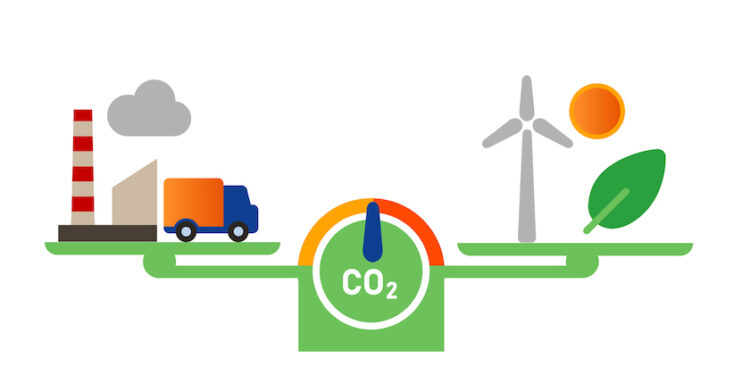
By optimizing energy use, reducing vehicle emissions through efficient transit, and minimizing waste, the AI-powered city can dramatically shrink its ecological footprint. It can achieve carbon neutrality faster than any traditional city, manage its water resources with minimal loss, and create a circular economy where waste is a resource. This makes it a model for sustainable living in an era of climate change.
C. Enhanced Public Health and Safety
Cleaner air from reduced traffic congestion directly improves respiratory health. Predictive analytics in healthcare can identify potential disease outbreaks, allowing for early intervention. AI-monitored infrastructure can detect structural weaknesses in bridges or buildings before they become catastrophic failures. A data-driven approach to public safety can make streets safer while, ideally, ensuring a more equitable distribution of resources.
D. Fostering Economic Innovation and New Job Creation
The city itself becomes a magnet for tech companies, startups, and researchers. It serves as a testbed for new AI applications, autonomous vehicles, and green technologies, spawning entirely new industries. While some traditional jobs may be automated, new roles will emerge in AI maintenance, data analysis, cybersecurity, and the development of new digital services, fostering a dynamic and future-proof economy.
C. Navigating the Labyrinth: Critical Challenges and Ethical Imperatives
The vision of an AI-powered utopia is not without its perils. The path is fraught with technical, social, and ethical challenges that must be addressed with utmost seriousness.
A. The Privacy Paradox and Pervasive Surveillance
A city blanketed with sensors is, by definition, a city under constant observation. The line between public safety and a surveillance state is perilously thin. The collection of vast amounts of personal data from travel patterns to social interactions creates an unprecedented risk of abuse. Robust, transparent data governance frameworks are non-negotiable. Citizens must have control over their data, with clear rights to access, correct, and delete it. Anonymization techniques must be employed wherever possible, and data should be used for aggregate analysis rather than individual tracking without explicit consent.
B. The Inherent Threat of Algorithmic Bias
AI systems are only as unbiased as the data they are trained on. If historical data reflects societal biases (e.g., in policing or lending), the AI will not only perpetuate but potentially amplify these biases. An AI directing city services could inadvertently neglect marginalized neighborhoods if its training data is skewed. Continuous auditing of algorithms for fairness and bias is essential. Diverse teams of engineers, ethicists, and social scientists must be involved in the development process to identify and mitigate these risks.
C. The Digital Divide and Socioeconomic Fragmentation
An AI-centric city risks creating a two-tiered society: the digitally literate who can thrive in this environment, and those who are left behind. Elderly residents, low-income populations, and technophobes may find themselves unable to access essential services. Ensuring universal digital literacy and providing equitable access to the necessary technology (e.g., affordable high-speed internet and user-friendly interfaces) is a critical social justice issue. The city must be designed for all its inhabitants, not just the tech-savvy elite.
D. The Cybersecurity Nightmare
A city run by software is a city vulnerable to cyberattacks. A malicious actor who hacks the central AI could bring urban life to a standstill shutting down power grids, paralyzing transportation, and creating chaos. The cybersecurity infrastructure for such a city must be resilient, redundant, and constantly evolving to counter new threats. This is not just an IT issue; it is a matter of national and urban security.
E. The Question of Autonomy and Human Oversight
How much decision-making power should be delegated to an AI? Should an algorithm be allowed to deny a business permit, direct police resources, or manage the energy allocation of a hospital? Clear boundaries must be established. The principle of “human-in-the-loop” should be sacrosanct for critical decisions, especially those involving public safety, justice, and welfare. The AI should be a tool for augmenting human decision-making, not replacing it entirely.
D. From Blueprint to Reality: Pioneering Projects Shaping the Future

While a fully realized AI-powered city does not yet exist, several pioneering projects around the globe are testing its core components and providing invaluable insights.
-
NEOM and The Line, Saudi Arabia: Perhaps the most ambitious current project, The Line is envisioned as a 170-kilometer-long linear city with no cars, no roads, and zero carbon emissions. It promises to run on 100% renewable energy, with AI integrally managing infrastructure, logistics, and services for a population of 9 million. It represents the most comprehensive attempt to build an AI-centric city from the ground up.
-
Songdo International Business District, South Korea: Often cited as one of the first purpose-built smart cities, Songdo has a pervasive network of sensors that manage traffic, waste disposal (through automated pneumatic tubes), and energy use. While not fully AI-driven, it has been a crucial testing ground for the integrated urban technologies that will form the foundation of future AI cities.
-
Sidewalk Labs’ Quayside Project (Toronto): Though ultimately canceled due to data privacy concerns, this project was a landmark in the conversation about AI urbanism. Its proposal for a neighborhood built from the internet up, with public space management, adaptive buildings, and a robust data governance model, forced a crucial public reckoning on the ethics of smart cities.
Conclusion: A Collective Journey Toward an Intelligent Urban Future
The creation of the world’s first AI-powered city is more than a technological milestone; it is a profound societal choice. It represents an opportunity to shed the inefficiencies and environmental burdens of 20th-century urbanism and to design a habitat that is more humane, sustainable, and resilient. However, this future is not guaranteed by technology alone.
The successful AI-powered city will be one that places its citizens at the very center of its design philosophy. It will be built on a foundation of unwavering ethical principles transparency, equity, privacy, and human oversight. The journey from our current urban reality to this intelligent future will be complex, requiring unprecedented collaboration between technologists, urban planners, policymakers, ethicists, and, most importantly, the citizens who will call these cities home. The goal is not to create a cold, automated metropolis, but to use the power of artificial intelligence to enhance human potential, foster community, and build a better, more livable world for generations to come. The blueprint is being drawn; it is now up to us to ensure it is drawn with wisdom and foresight.